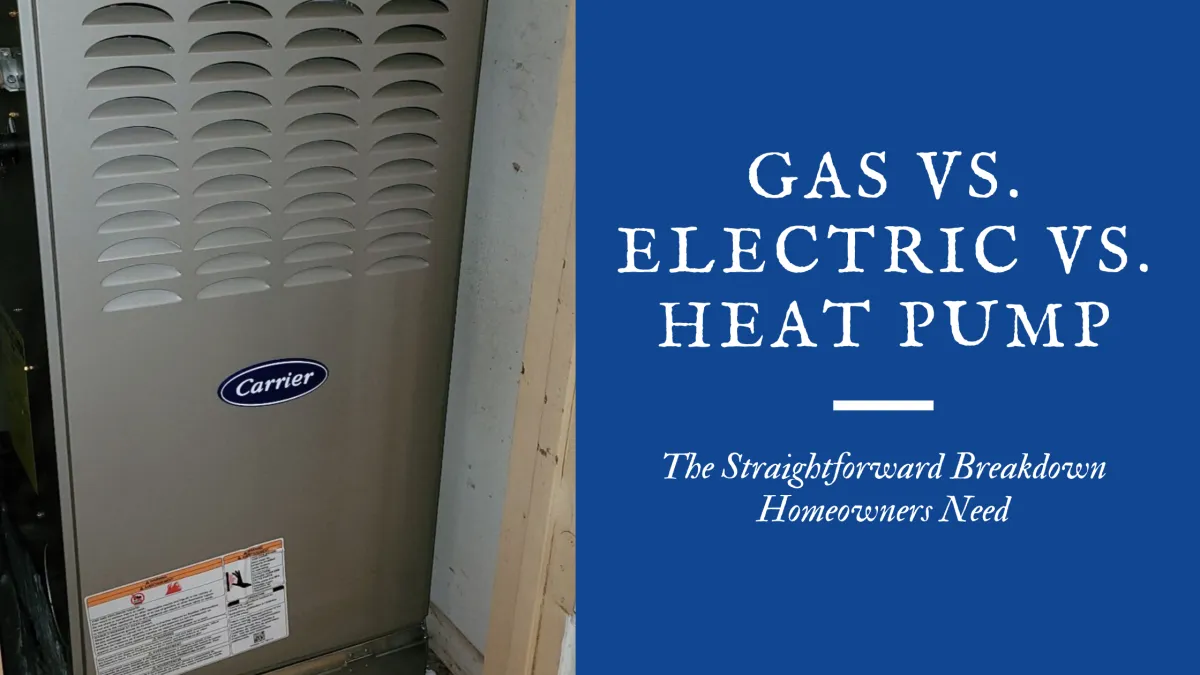
Gas vs. Electric vs. Heat Pump HVAC Systems: A Clear Comparison for Homeowners
Choosing a new HVAC system can feel overwhelming—especially when every source seems to recommend something different. One article says gas is best for cold winters. Another says heat pumps are the future. Someone else insists electric systems are cheaper. The truth is more grounded than any headline suggests.
For most homeowners, the "best" HVAC system isn’t universal. It depends on climate, home layout, existing infrastructure, energy costs, and how the system will actually be used day to day. This article breaks down gas systems, electric systems, and heat pump systems in plain language so you can understand the differences and make a confident, informed decision.
How Each HVAC System Works (In Plain English)
Gas HVAC Systems
Gas systems typically use a natural gas or propane furnace to heat air, which is then distributed through ductwork. Cooling is handled separately by a central air conditioner.
In heating mode, gas furnaces create heat through combustion, which is why they deliver strong, immediate warmth—especially noticeable during very cold weather.
Electric HVAC Systems
Electric systems rely on electric resistance heating, similar to how a toaster or space heater works. Electricity passes through coils, generating heat that warms the air and circulates through the home. Cooling still requires a separate air conditioning unit.
These systems are mechanically simpler but generate heat rather than transferring it, which affects efficiency and operating cost.
Heat Pump Systems
Heat pumps work differently. Instead of creating heat, they move heat.
In winter, they pull heat from the outdoor air (even cold air contains heat) and move it indoors.
In summer, they reverse the process, acting like an air conditioner.
Because they transfer heat rather than generate it, heat pumps are often the most energy-efficient option—especially in moderate climates.
Upfront Cost Differences: What Homeowners Should Expect
Replacing Like-for-Like vs. Switching Systems
One of the biggest cost drivers isn’t the system itself—it’s whether you’re replacing the same type of system or switching to something new.
Replacing an existing gas furnace with another gas furnace is usually straightforward.
Switching from gas to electric or a heat pump may require electrical upgrades, new equipment, or ductwork changes.
General Cost Considerations
Gas systems often have moderate equipment costs but may require gas line access and venting.
Electric systems typically have lower equipment costs but can require significant electrical capacity.
Heat pumps usually have higher upfront costs due to equipment complexity, though this can vary widely.
Upfront price alone rarely tells the full story, which is why operating costs matter just as much.
Operating Costs and Energy Efficiency in Mixed Climates
Gas Systems
Gas furnaces are highly effective in cold weather and often cost less to operate during harsh winters, depending on local gas prices. They are less efficient during shoulder seasons when full heating power isn’t needed.
Electric Systems
Electric resistance heating is typically the most expensive to operate for heating in a four-season climate. While efficient at converting electricity to heat, electricity itself is often more expensive than gas.
Heat Pumps
Heat pumps excel in efficiency, particularly during mild to moderate temperatures. In very cold conditions, efficiency can drop, and many systems rely on auxiliary or backup heat.
In mixed climates, heat pumps often perform well for the majority of the year, with careful system design determining cold-weather comfort.
Comfort, Reliability, and Maintenance Differences
Heating Comfort
Gas furnaces deliver hotter air quickly, which many homeowners associate with comfort during winter.
Electric systems provide steady but less intense heat.
Heat pumps offer consistent temperatures but may feel different due to lower supply air temperature.
Reliability and Lifespan
Gas furnaces are proven, durable systems with long track records.
Electric systems have fewer moving parts but higher operating strain.
Heat pumps are reliable when properly sized and installed, though they are more complex.
Maintenance Needs
All systems require regular maintenance. Heat pumps require attention year-round since they handle both heating and cooling.
Which HVAC System Makes Sense for Which Home?
Rather than declaring a winner, it’s more useful to understand fit.
Gas Systems Tend to Make Sense When:
The home already has gas infrastructure
Winters are long or harsh
Strong heating performance is a priority
Electric Systems May Make Sense When:
The home lacks gas access
Heating demand is low
Upfront simplicity matters more than operating cost
Heat Pumps Shine When:
The climate is mixed or moderate
Energy efficiency is a priority
The home is well-insulated and air-sealed
When Switching Systems May Not Be Worth It
If a home already has a functioning system type and the infrastructure supports it, switching purely for theoretical efficiency gains may not deliver meaningful real-world savings
Final Thoughts: There Is No Universal “Best” HVAC System
Gas, electric, and heat pump systems all work well when matched to the right home and expectations. The most reliable guidance doesn’t come from trends or incentives—it comes from understanding how a system will perform in your specific house, in your specific climate, over time.
An informed decision is always better than a popular one. When homeowners understand the trade-offs clearly, the right choice usually becomes obvious.
📱Call Us: 972-291-8002
💻Website:cozydair.com
📧Email:[email protected]
Related Article:
Trane vs Goodman vs Carrier: HVAC Brand Quality Compared for Homeowners | How Much Does a New HVAC System Cost in Dallas 2025?| What to Expect After HVAC Installation? ( And How to Avoid Frustration)

